10 Uses of Corn Oil in Cooking: Your Complete Guide
December 30, 2025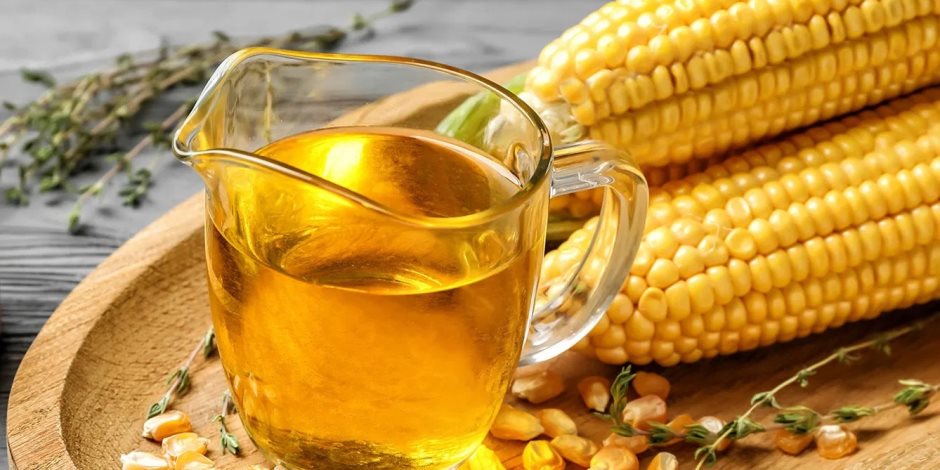
Corn oil is one of the most widely used vegetable oils in kitchens around the world, thanks to its light flavor and high tolerance to different cooking temperatures. The uses of corn oil in cooking vary from frying and sautéing to baking and even preparing sauces, making it a practical choice for everyday use. In this comprehensive guide, we explore the main uses of corn oil in cooking and how to use it correctly to ensure the best flavor and food quality.
Benefits of Corn Oil
Corn oil is a popular vegetable oil with high nutritional value, making it a suitable choice for daily use as part of a balanced diet. Its benefits go beyond cooking and extend to overall health when consumed in moderation.
Lowering Blood Cholesterol
Corn oil helps reduce levels of bad cholesterol (LDL) due to its content of unsaturated fats and plant sterols, which reduce cholesterol absorption in the body.
Supporting Heart and Artery Health
Corn oil contributes to heart health by improving blood circulation and reducing the risk of cardiovascular diseases, especially when used as a substitute for saturated fats.
Reducing Inflammation
Corn oil contains anti-inflammatory compounds such as vitamin E, which help reduce inflammation and support the immune system.
Cancer Prevention
The antioxidants found in corn oil help fight free radicals, which may contribute to reducing the risk of certain types of cancer as part of a healthy lifestyle.
Maintaining Eye Health
Corn oil supports eye health by helping protect eye cells from damage caused by aging and environmental factors.
Promoting Healthy Skin
Corn oil helps moisturize the skin, improve elasticity, reduce dryness, and maintain a healthy appearance.
Improving Digestive Health
Corn oil supports digestion by helping soften the intestines and improve nutrient absorption.
Nutritional Value of Corn Oil
Corn oil has a balanced nutritional profile that makes it suitable for daily cooking. It is rich in healthy fats and essential nutrients that support overall health when consumed in moderation, and it is cholesterol-free.
Corn oil contains a high percentage of unsaturated fats, especially polyunsaturated fats, which play an important role in supporting heart health and regulating cholesterol levels. It also provides vitamin E, known for its antioxidant properties that protect body cells from free radical damage.
In addition, corn oil contains natural plant compounds such as plant sterols, which help reduce cholesterol absorption. Although it is a vegetable oil, it contains no protein or carbohydrates, making it a concentrated source of energy that should be used moderately as part of a healthy diet.
Types of Corn Oil
Several types of corn oil are available on the market, differing in processing methods and cooking uses. Understanding these types helps in choosing the most suitable oil for cooking needs.
Refined Corn Oil
Refined corn oil undergoes purification and refining processes to remove impurities and strong odors, resulting in a light color and neutral taste. It has a high heat tolerance, making it ideal for deep frying, sautéing, and everyday cooking.
Virgin Corn Oil
Virgin corn oil is extracted using less processing compared to refined oil, helping retain more nutrients and natural compounds. It has a slightly lighter flavor and is best used for light cooking, such as sautéing, preparing sauces, or adding to food after cooking to benefit from its nutritional value.
What Are the Uses of Corn Oil in Cooking?
Corn oil has many uses in cooking due to its mild flavor and good heat tolerance, making it suitable for a wide range of everyday cooking methods.
Frying
Corn oil is a popular choice for both shallow and deep frying, as it withstands high temperatures without affecting food flavor, while helping achieve a crispy texture and even golden color.
Baking and Pastries
Corn oil is used in baking as a substitute for butter or ghee, providing a light and uniform texture while maintaining moisture without altering flavor.
Sauces and Dressings
Thanks to its neutral taste, corn oil is ideal for sauces and dressings, blending well with spices, vinegar, and lemon without overpowering other ingredients.
Low to Medium Heat Cooking
Corn oil is commonly used for daily cooking over low to medium heat, such as sautéing vegetables or cooking meat and poultry, helping distribute heat evenly.
Salads
Corn oil can be used in salad dressings, adding a smooth texture without changing the taste of fresh vegetables and ingredients.
Steaming with a Small Amount of Oil
In some recipes, a small amount of corn oil is added during steaming to provide light softness and prevent sticking without significantly increasing fat content.
Homemade Mayonnaise
Corn oil is commonly used to prepare homemade mayonnaise due to its light texture and neutral flavor, resulting in a smooth, creamy consistency and balanced taste.
Frying Pastries and Middle Eastern Fried Foods
Corn oil is suitable for frying pastries and traditional fried foods such as falafel and samosas, ensuring even frying and a crispy result without excessive oil absorption.
Preparing Rice and Legume Dishes
Corn oil can be used to sauté rice, onions, and spices before cooking, enhancing flavor and improving texture in rice and legume dishes.
Roasting Nuts
Small amounts of corn oil are used to roast nuts, helping enhance their natural flavor and achieve even coloring without excessive greasiness.
What Is the Difference Between Corn Oil and Other Cooking Oils?
Cooking oils differ in nutritional composition, heat tolerance, and flavor, making each suitable for specific cooking uses. Below is a comparison between corn oil and other common cooking oils:
Corn Oil
Corn oil has a mild, neutral flavor, making it suitable for various cooking methods. It tolerates high temperatures well and is widely used for frying, baking, and sauce preparation. It contains unsaturated fats and plant compounds that support heart health.
Sunflower Oil
Sunflower oil is rich in unsaturated fats and has a light flavor similar to corn oil. It is used for frying and daily cooking, though its heat tolerance varies depending on whether it is refined or unrefined.
Palm Oil
Palm oil has a thicker consistency and higher saturated fat content compared to corn oil. It is commonly used in food manufacturing and commercial cooking and should be consumed in moderation as part of a balanced diet.
Olive Oil
Olive oil, especially extra virgin olive oil, is well known for its health benefits due to its antioxidants and monounsaturated fats. It has a distinctive flavor and is best suited for salads and light cooking rather than deep frying.
Why Do Customers Prefer ARMA?
ARMA is considered one of the leading brands in edible oils, committed to delivering products that meet high-quality and international standards. This has made it a trusted choice among many customers.
ARMA focuses on quality throughout all production stages, from selecting raw materials to packaging. The company uses advanced manufacturing technologies to ensure consistent quality and balanced nutritional value while meeting diverse consumer needs. ARMA also adheres to strict food safety standards, enhancing customer trust and making its products suitable for everyday cooking.
In addition, ARMA products are versatile, reliable for various cooking methods, and widely available in the market, making them a practical choice that combines quality, trust, and consistency.
Conclusion
With the variety of cooking methods and recipes available today, corn oil remains a reliable and versatile kitchen staple. Thanks to its many uses in cooking, it can be trusted to prepare balanced meals that combine good taste and ease of use. Choosing the right oil for each cooking method not only affects flavor but also impacts food quality and nutritional value, making corn oil an essential component of any modern kitchen.
Frequently Asked Questions
Is Corn Oil Suitable for Cooking?
Yes, corn oil is suitable for cooking and is one of the most commonly used vegetable oils for daily use due to its light flavor and good heat tolerance. Its versatility makes it suitable for frying, baking, light cooking, and preparing sauces and dressings.
Which Is Better for Frying: Corn Oil or Sunflower Oil?
Both oils are suitable for frying, and the choice depends on usage and cooking preferences. Corn oil offers good heat stability and a neutral flavor, making it ideal for deep frying and traditional fried foods. Sunflower oil also has a mild flavor, but its heat tolerance varies depending on its level of refinement. Overall, corn oil is a practical and stable choice for everyday frying.